ATRIUM 07
Sketch how my building will feel
In this month’s ATRIUM, Magda Pater-Jankowiak, Senior Architect at Mulroy, explores the team’s favourite architectural sketches and shows how the completed buildings reflect the emotion and qualities of those initial ideas.
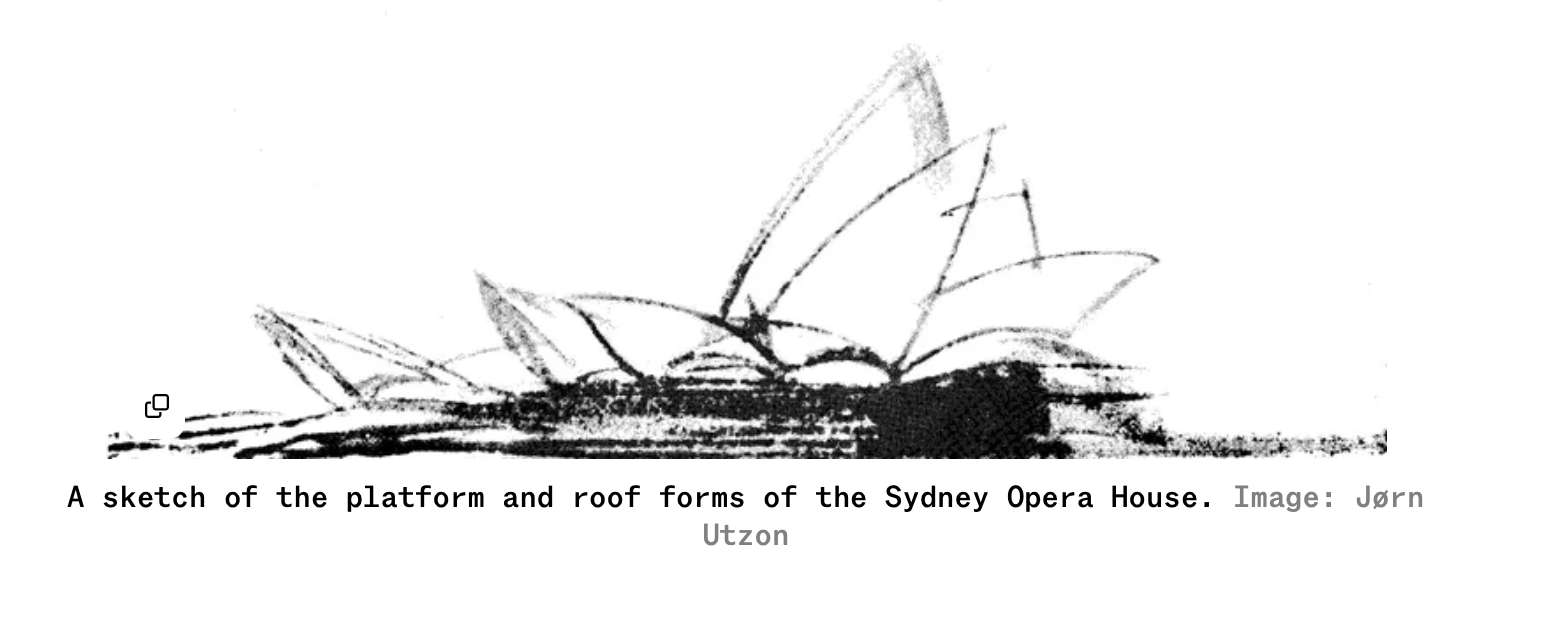
“A hand sketch is a more powerful tool for communicating the essence of architecture than a digital image,” says Magda, discussing the process of creating and developing a design idea. “A sketch is open to interpretation and acts as a catalyst for the architect and the client to develop a shared language to describe how the future building will feel.”
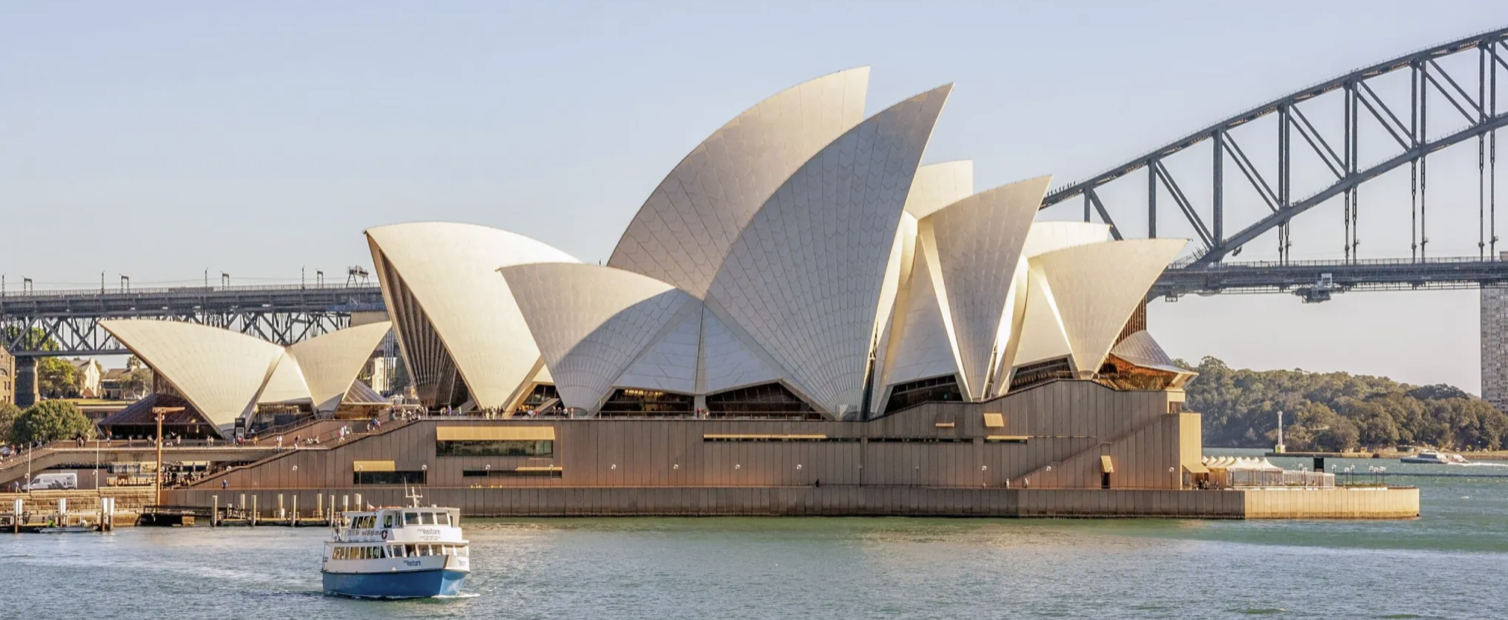
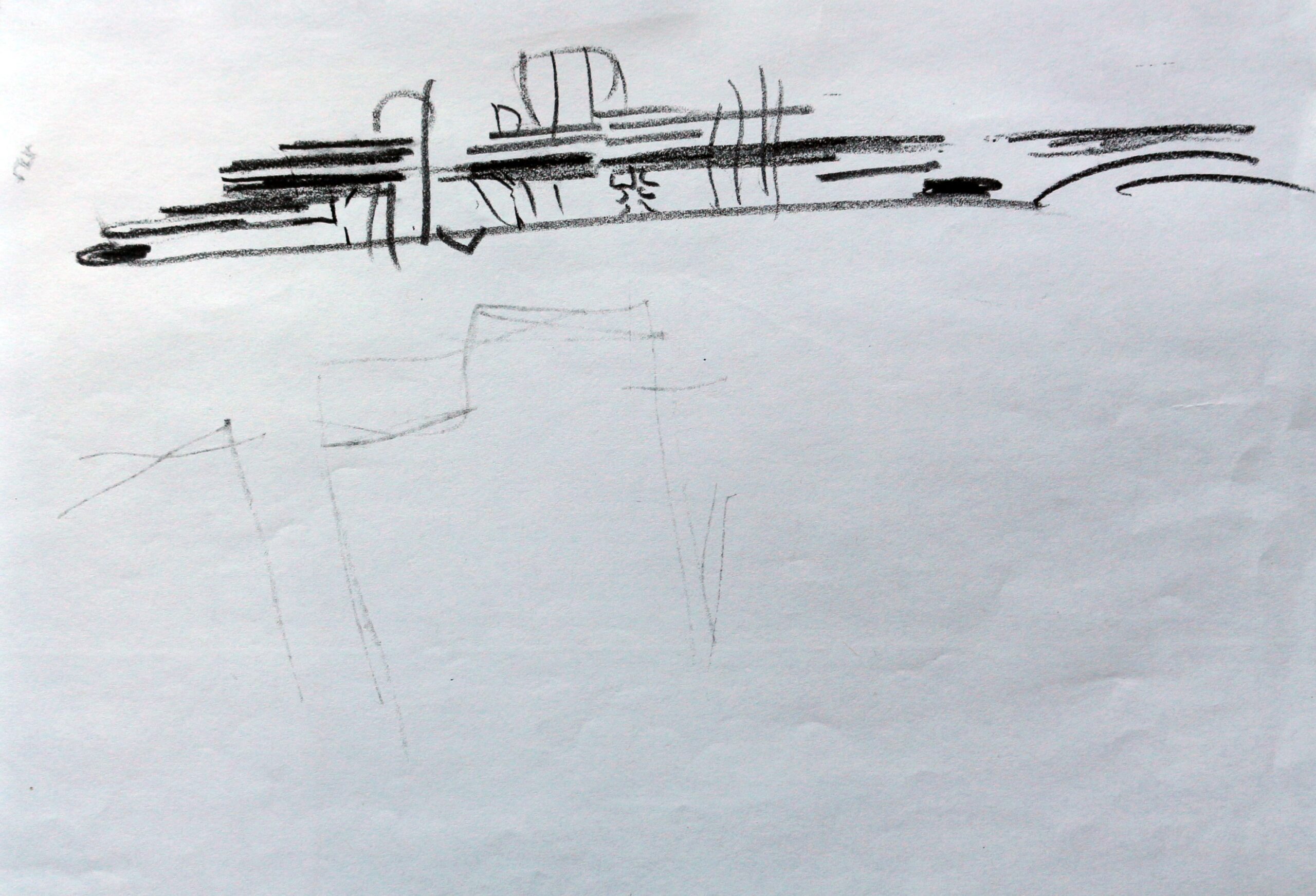
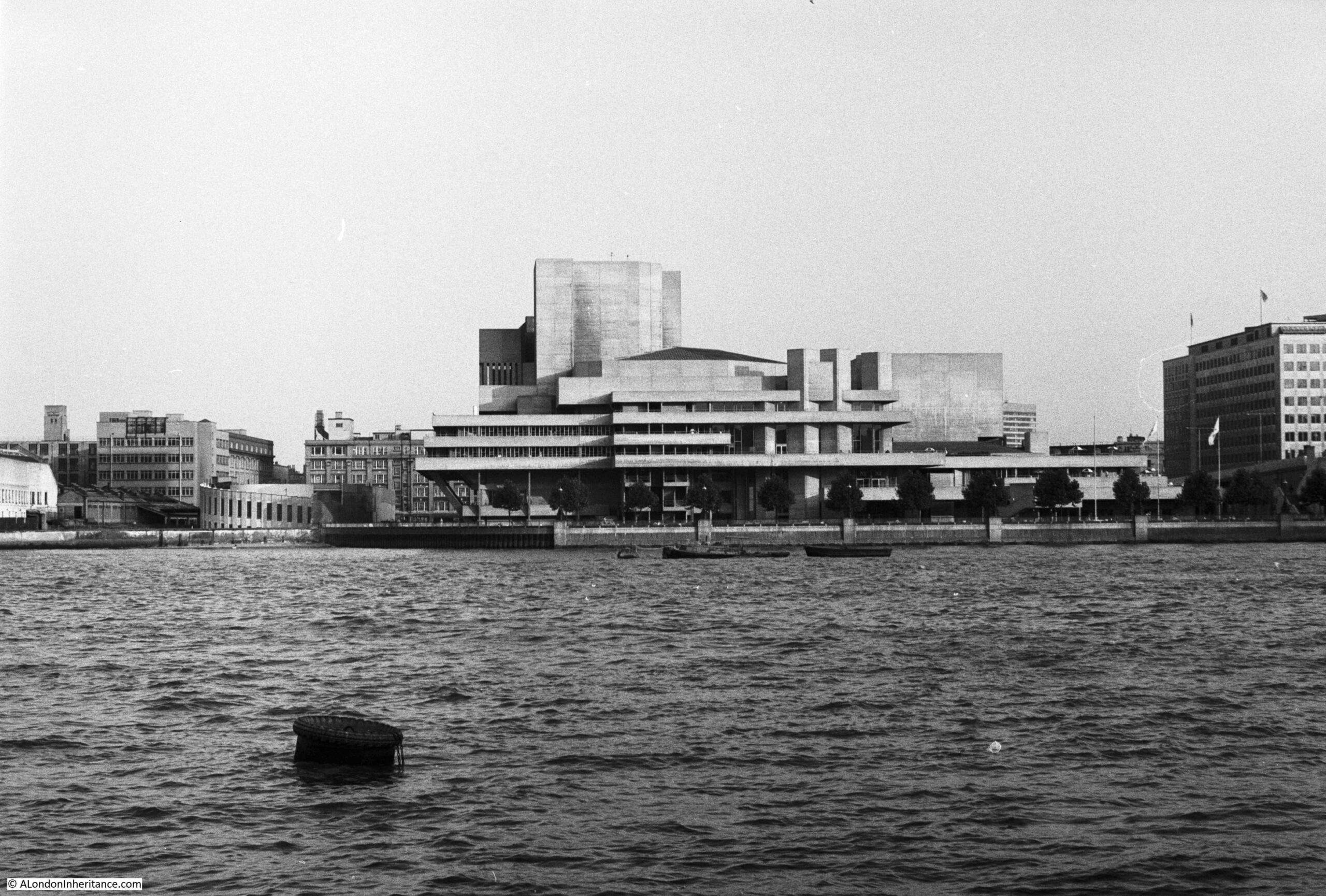
“I asked the Mulroy team for similar examples of how an early sketch can communicate what the finished architecture will feel like. Chris chose the Sydney Opera House, and Tom selected the work of Denys Lasdun at the National Theatre in London. What’s striking is how little is drawn to communicate the Big Idea behind these buildings, and how amazing it is that the finished work remained so undiluted.”
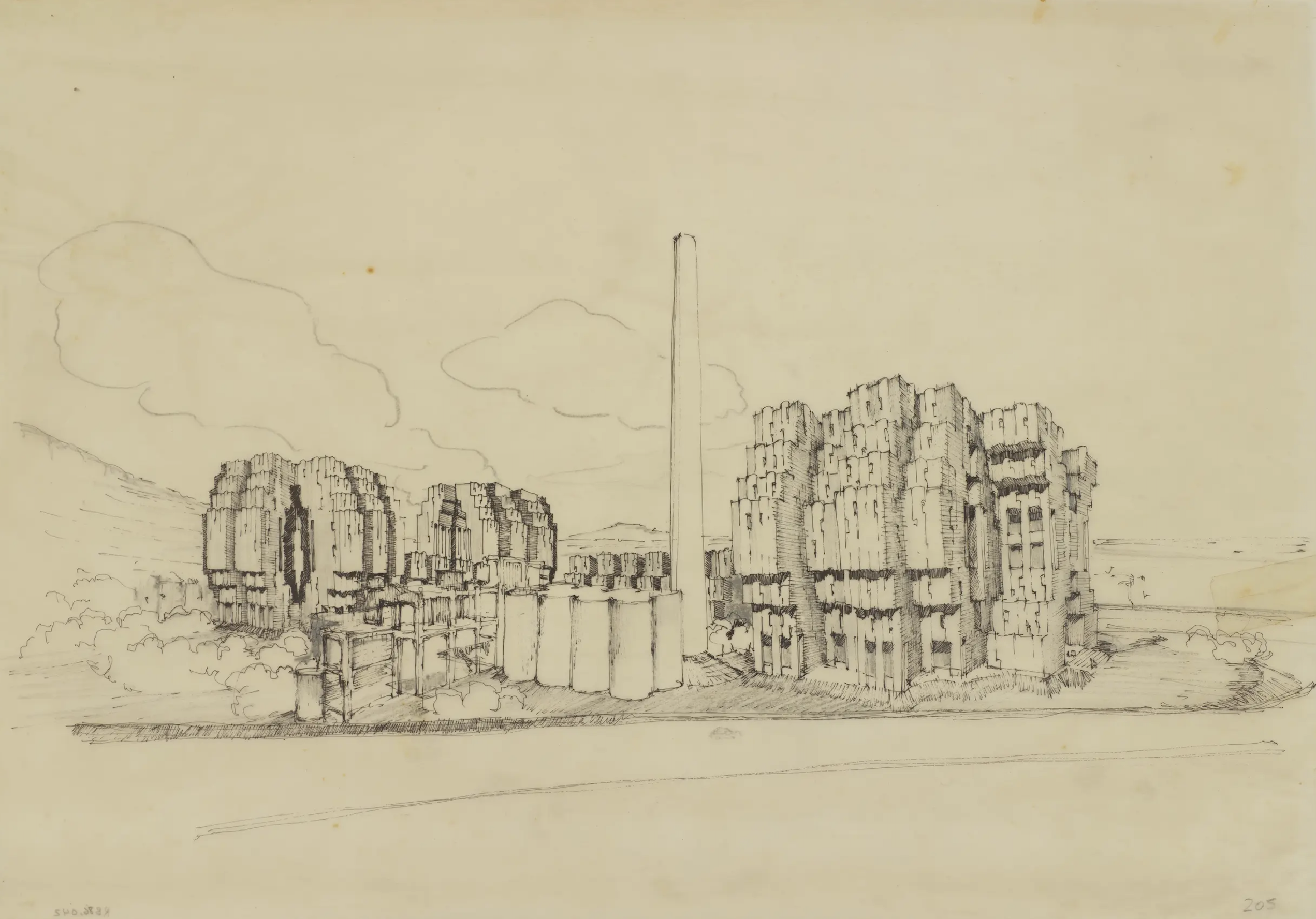
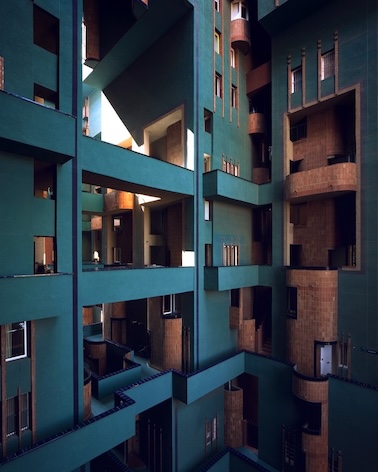
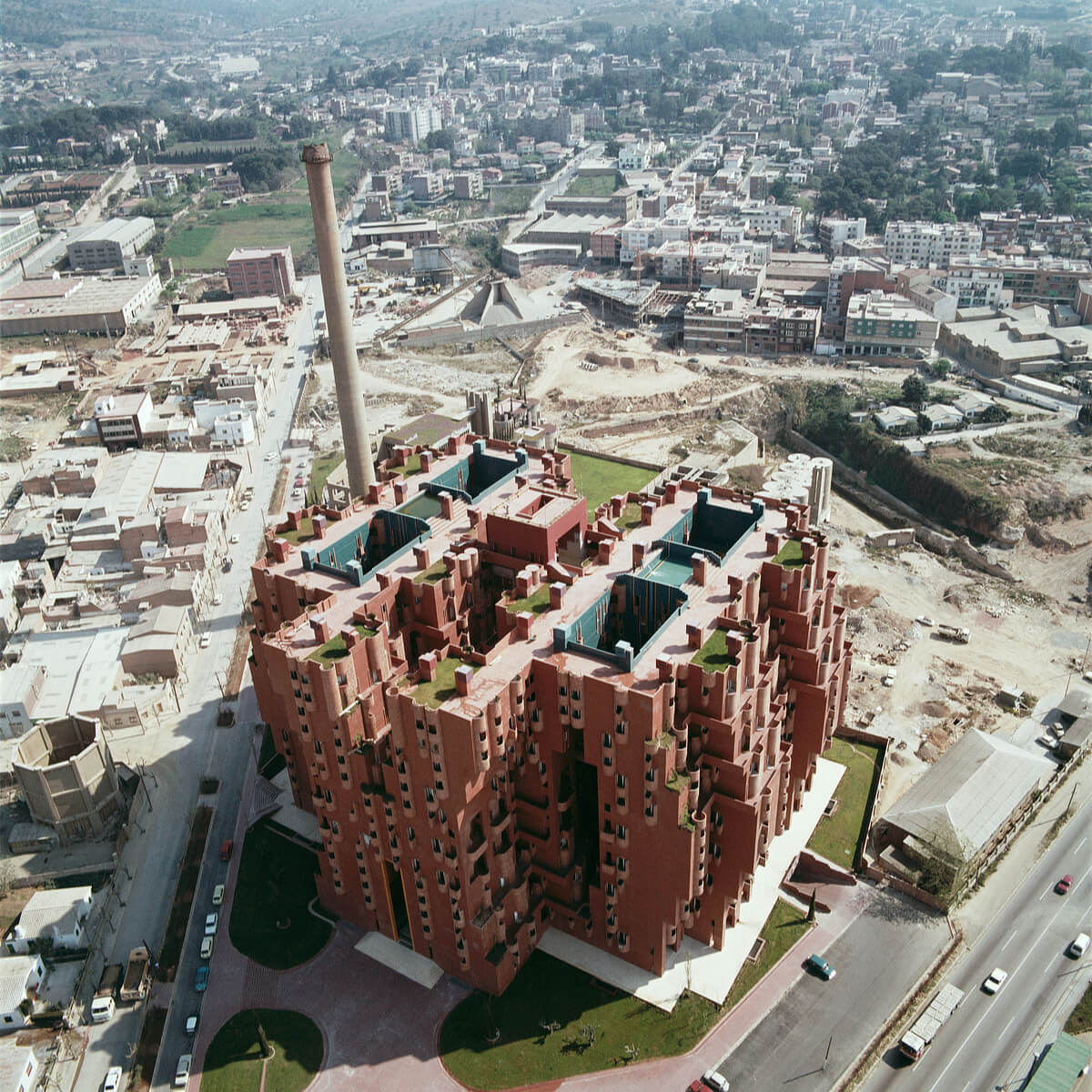
“I visited the Walden 7 housing complex in Sant Just Desvern, near Barcelona, in 2017,” explains Nicolette. “It was designed by the Catalan architect Ricardo Bofill in the 1970s, and his pencil sketch on tracing paper captures the core idea rather than the detail. It somehow conveys a dense, vertical ‘city within a city’, in which forms, voids and circulation all interlock. The composition feels complex and inward-looking, giving the building a sense of privacy and protection from the fierce Mediterranean sun.
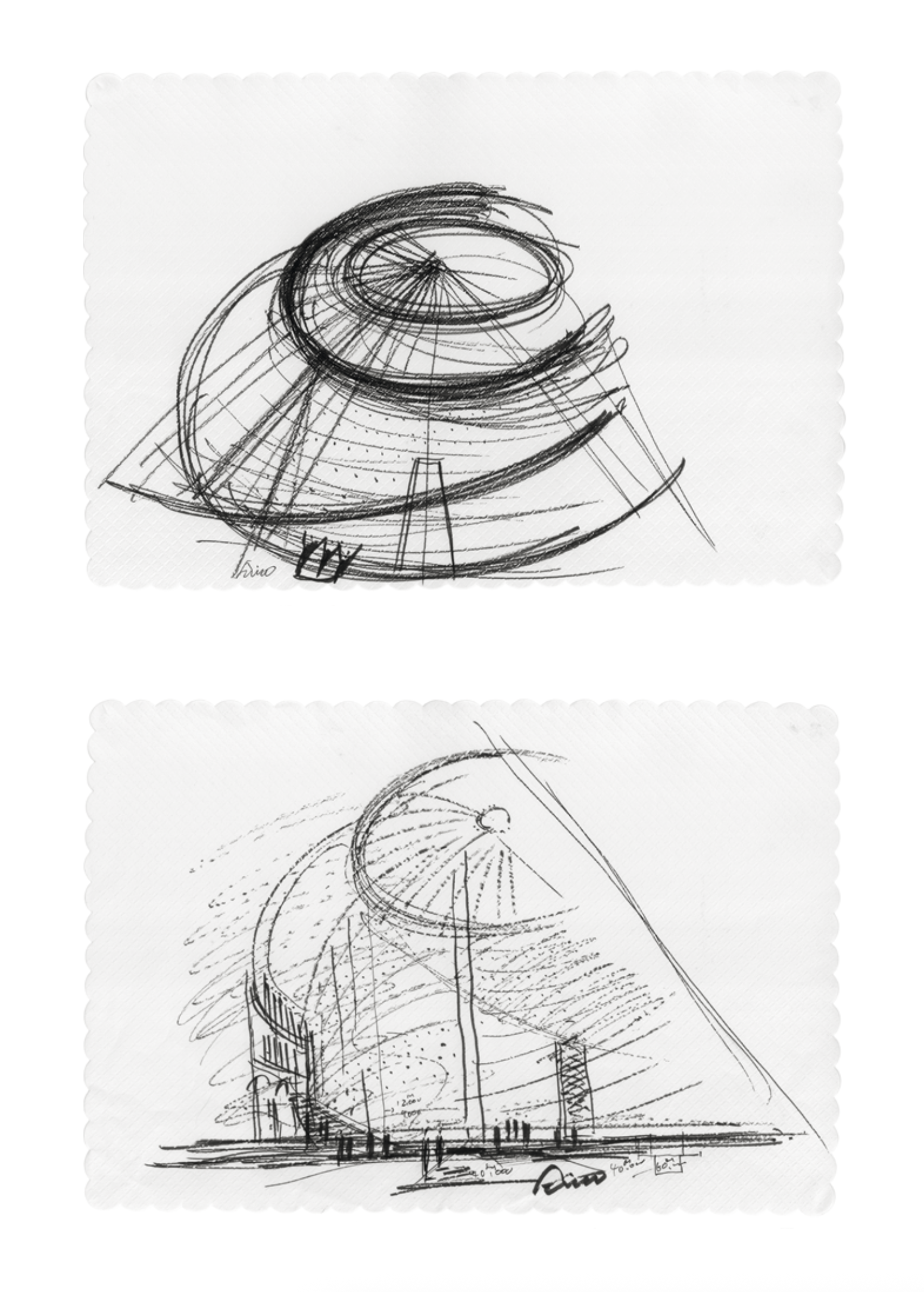
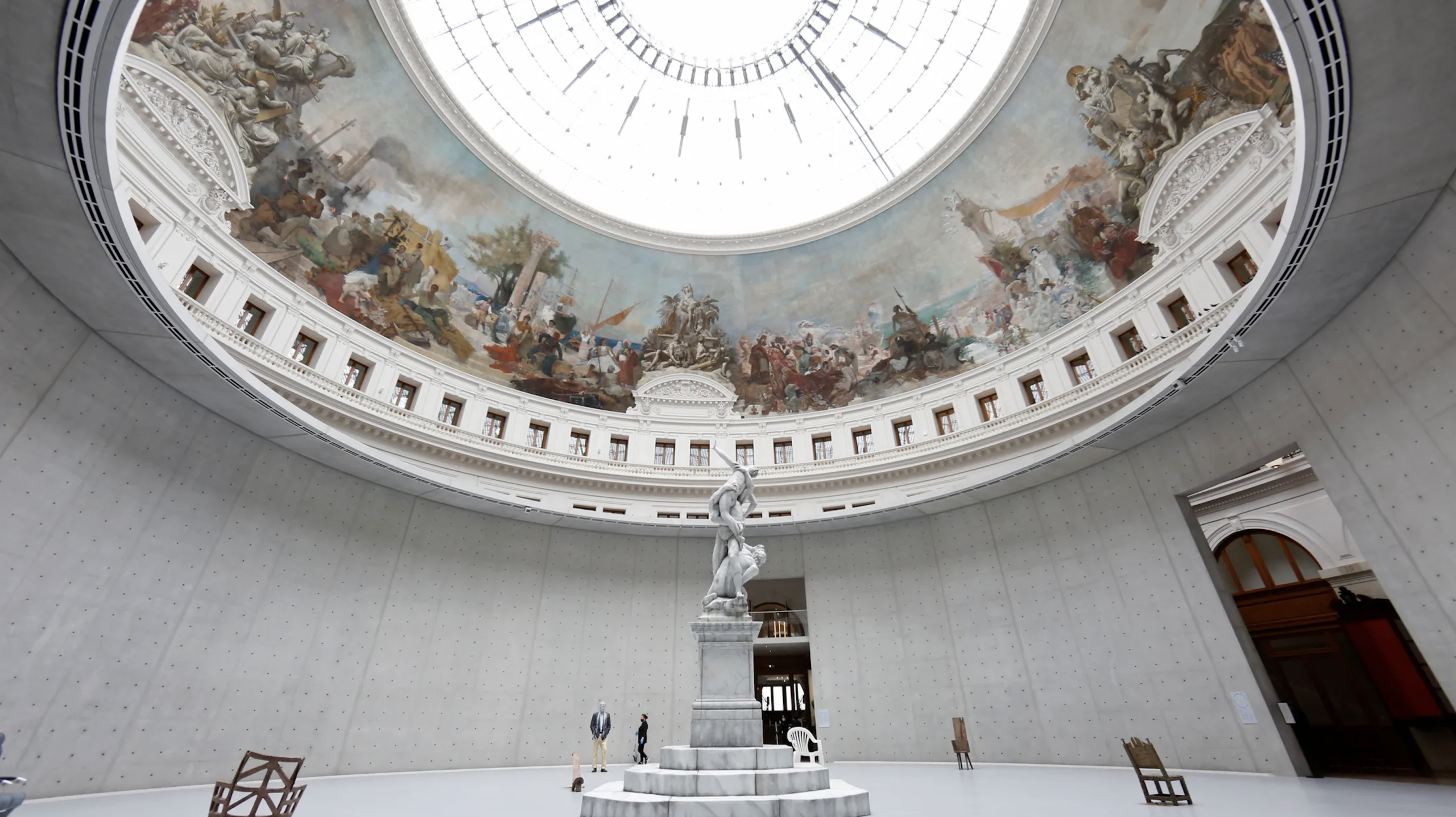
The importance of scale is reflected in Adha’s choice of the Bourse de Commerce in Paris, transformed by the Japanese architect Tadao Ando. “The preliminary sketches for a huge concrete wall within the historic rotunda – especially the volumetric studies that include a small human figure for scale – beautifully capture the true proportions of the atrium,” explains Adha. “That tiny figure makes the space feel real and allows you to immediately sense the height, the volume and the ambition of the intervention.”
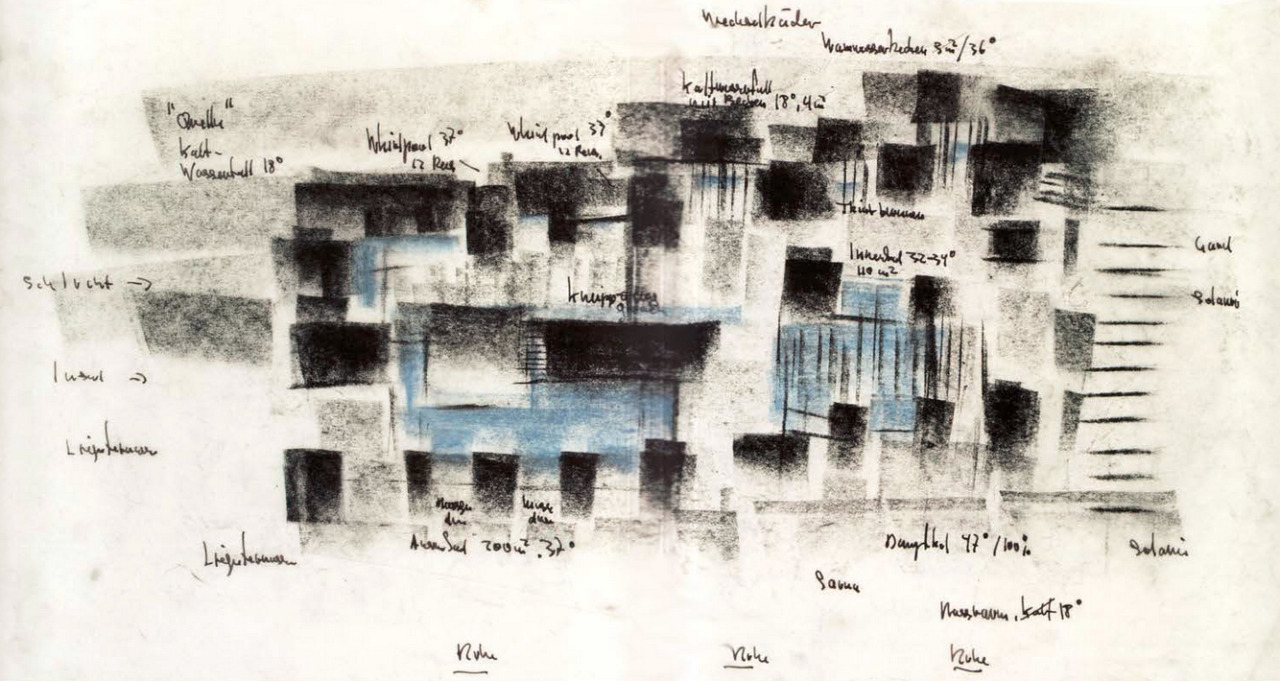
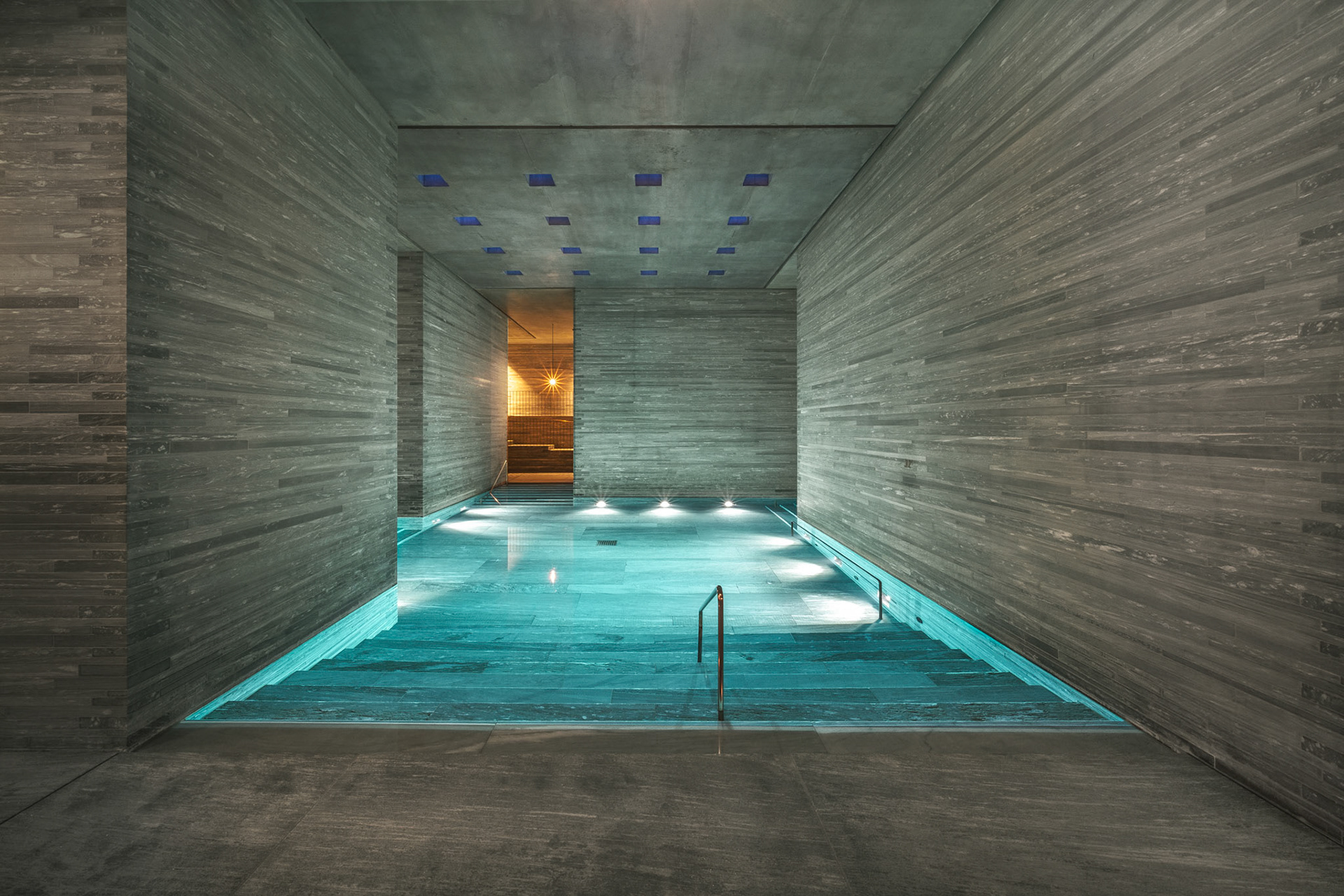
The power of the sketch is not limited to conveying monumentality, as Janish explains when discussing Therme Vals in Switzerland, a spa in the mountains by Swiss architect Peter Zumthor. “Zumthor’s sketches are atmospheric and minimal, focusing more on mood and materiality than on precise form,” says Janish.“Dense shading suggests the weight of the stone, while subtle colours represent warmth or coolness. Light appears as soft cuts through dark spaces, showing how illumination shapes the experience. Rather than detailing construction, the drawings express feeling, enclosure and stillness, and the relationship between stone, water and light. Even at this early stage, the core idea can be clearly seen.”
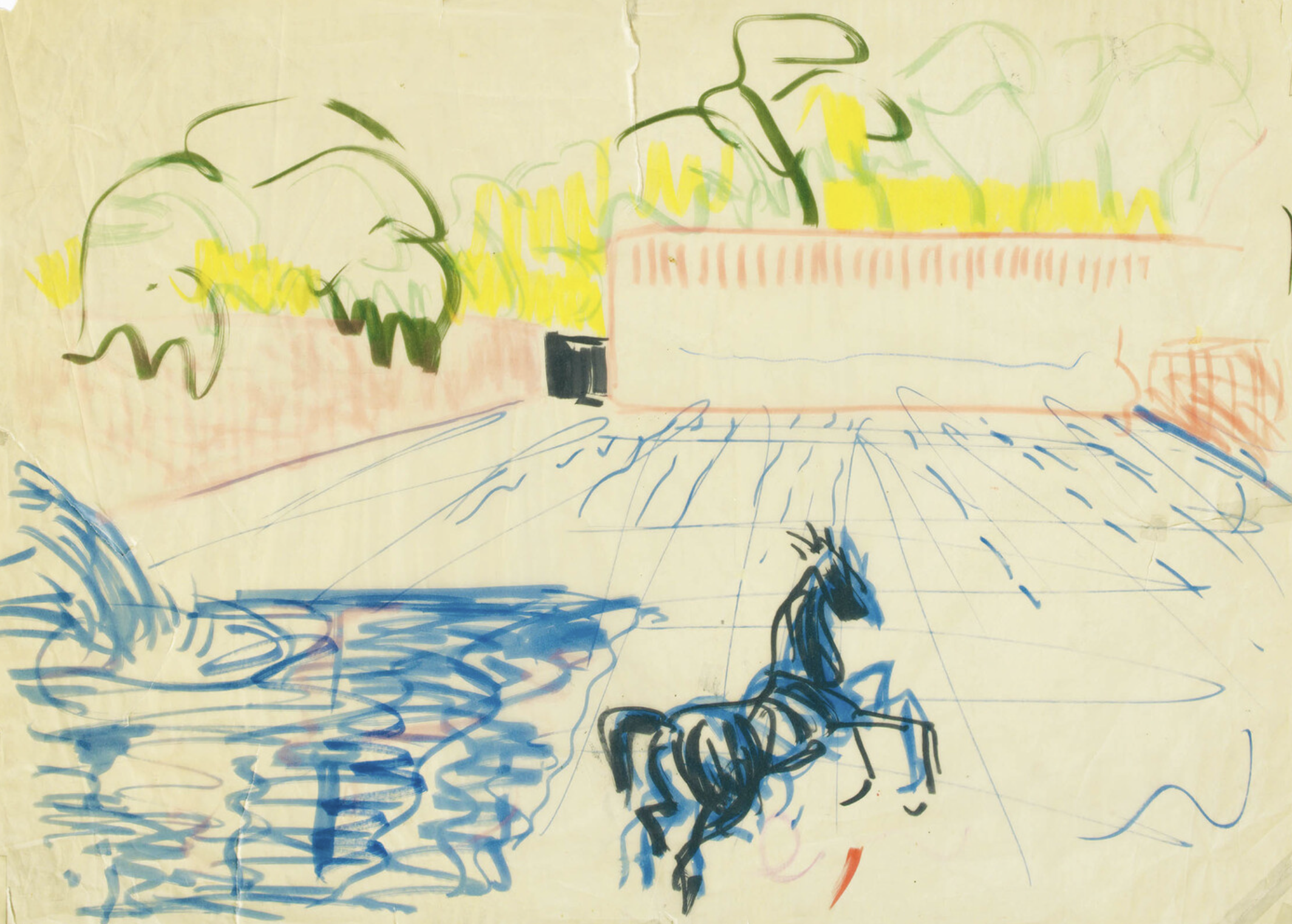
“For me,” says Magda, “Luis Barragán’s early sketch for the Cuadra San Cristóbal Stables in Mexico is wonderful in the way it evokes the sound of the waterfall and the horses’ hooves within the brightly painted courtyard. You can feel the heat radiating from the massive walls, and the sunlight dancing on the pool’s surface within an enclosure that creates a calm, private world inside the urban fabric of Mexico City.”
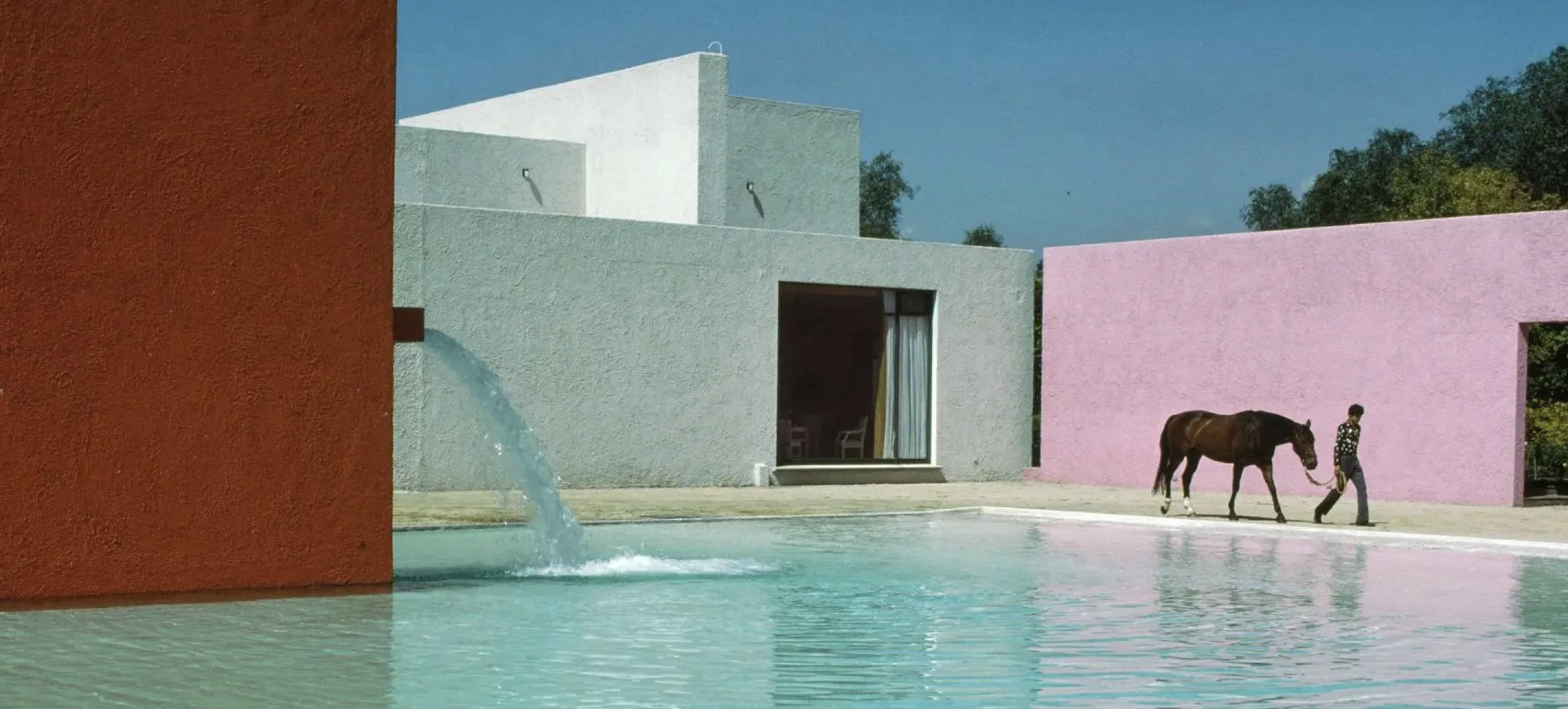
“We can only imagine the conversations between client and architect during the early design sessions for these great buildings,” Magda reflects, “but experience shows that a hand-drawn sketch used to communicate an idea in the moment can play a vital role in creating great architecture.”
Magda Pater-Jankowiak,
Mulroy Architects, April 2026
